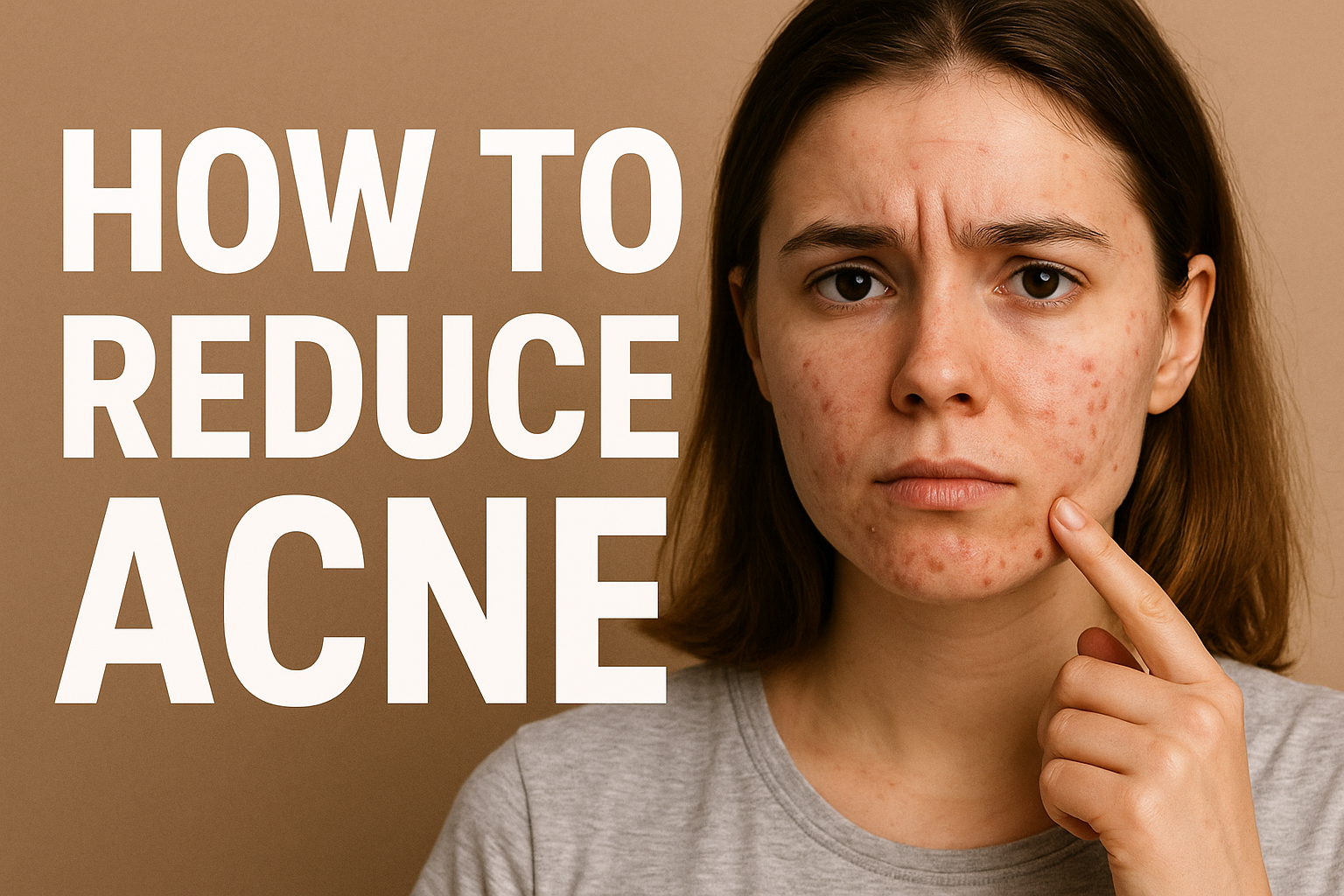
Acne is one of the most common skin problems worldwide. It affects teens, young adults, and even people in their 30s or 40s. Pimples, blackheads, whiteheads, and cysts can appear due to various reasons such as hormonal imbalances, stress, poor diet, or environmental factors.
While there are countless creams, gels, and chemical treatments available, natural remedies can be gentler, safer, and surprisingly effective when used consistently.
Personal Journey againist acne
I was 25, staring into my cracked apartment mirror, feeling like my face was staging a revolt. It was my birthday, and instead of glowing for the party, I had a chin zit the size of a planet, with its little buddies popping up everywhere.
I tried covering it with makeup, poked it (bad idea), and ended up hiding under a baseball cap all night. Acne’s like that—it crashes your best days.
But that night, I decided no more. I went on a mission to figure out how to reduce acne, not with pricey promises or overnight miracles, but with real, practical steps.
A year later, my skin’s not flawless—nobody’s is—but it’s calmer, clearer, and doesn’t run the show anymore. If you’re battling breakouts and feeling stuck, this is my story, mistakes and all, to help you find what works. Let’s dive in, from one acne warrior to another.
I used to think acne was just bad luck or hormones throwing a tantrum. Turns out, it’s a mix of clogged pores, extra oil, and sneaky bacteria teaming up.9 Knowing the causes of acne stopped me from blaming myself and helped me fight smarter.
For me, stress from a new job was the trigger—cortisol pumps up oil production, who knew?
Plus, I was scrubbing my face like it was a dirty pan, which just made things angrier. If you’re searching how to get rid of acne fast like I did, here’s the truth: It’s not instant, but steady steps win. Let’s walk through what I learned, with stories to make it real.
Why Acne Loves to Show Up Uninvited (And How I Started Fighting Back)
Acne doesn’t care if you’re a teen or pushing 30—it hits anyone with pores that trap oil and dirt. I remember late-night Googling about cystic acne, heart pounding because those deep, painful bumps were my reality.21 They started in college, probably from all-nighters and greasy pizza. Digging deeper, I learned hormones (especially during periods or stress) and bacteria called P. acnes turn tiny clogs into volcanoes.
My first win? I stopped picking. Sounds simple, but I’d squeeze one pimple and wake up with a breakout crew. Instead, I grabbed ice from the freezer—wrap it in a cloth, hold it on the spot for 5 minutes.
It’s like a chill pill for swelling. I did this every morning when a new pimple showed up, and redness faded fast. If you’re dreaming of blackheads remover tricks, ice is your budget-friendly friend. No fancy tools needed, just cold and a little patience.
But ice wasn’t enough. I had to clean smarter. Over-washing stripped my skin, making it pump more oil to compensate. Dermatologists say twice a day is plenty, with a gentle cleanser.10 I switched to lukewarm water—hot showers were like sandpaper on my face.
And here’s a quirky fail: For years, I let shampoo drip down my forehead, clogging pores. Now I tilt back and rinse fast. Tiny change, big results. If how to reduce acne feels like a mountain, start with these free fixes. They set the stage for the good stuff.
How to Reduce Acne Safely: 10 Natural Methods Dermatologists Recommend
In this guide, we’ll explore 10 natural ways to reduce acne fast, with actionable tips and examples you can implement today for healthier, clearer skin.
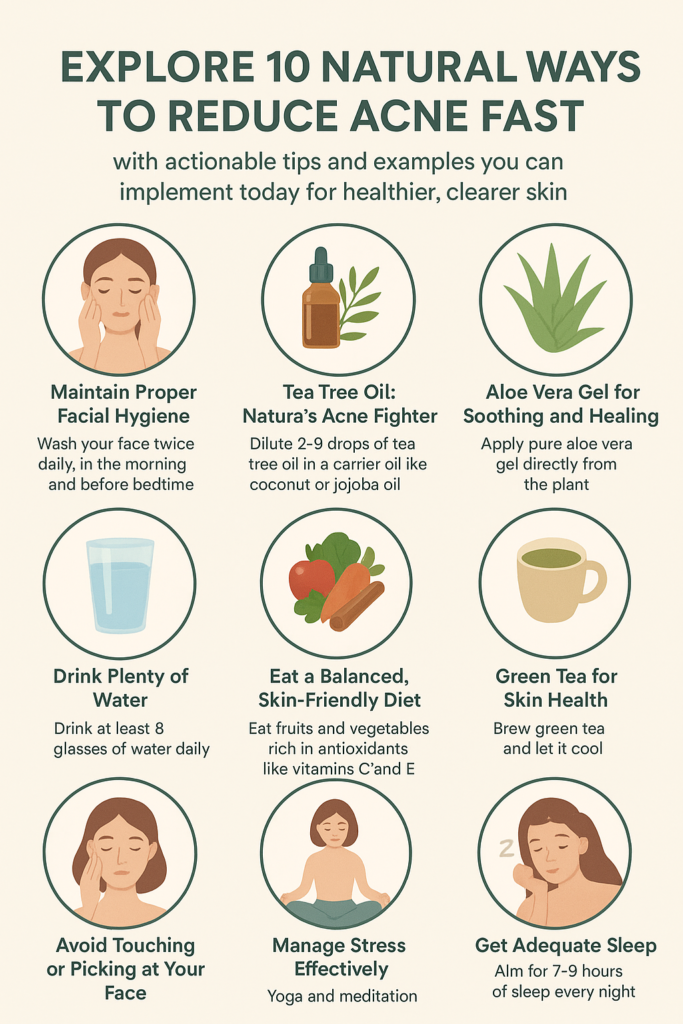
So, Try these 10 natural remedies to reduce acne fast: cleanse gently, use aloe vera or tea tree oil, apply cold compresses, protect from sun, eat a balanced diet, stay hydrated, manage stress, and use anti-inflammatory skincare to calm redness, prevent scarring, and promote clear, healthy skin.
1. Maintain Proper Facial Hygiene
The first step in preventing and reducing acne is keeping your face clean. Dirt, oil, and sweat can clog pores and provide a breeding ground for acne-causing bacteria.
How to do it:
- Wash your face twice daily, in the morning and before bedtime.
- Use a gentle cleanser suited for your skin type—avoid harsh soaps or strong exfoliants that strip your skin of natural oils.
- Pat your face dry with a clean towel; avoid rubbing, which can irritate the skin.
Extra Tips:
- Remove makeup before sleeping to prevent clogged pores.
- After exercising or sweating heavily, cleanse your face immediately.
Why it works: Keeping your skin free from excess oil and impurities prevents pores from becoming blocked, reducing the likelihood of breakouts.
2. Tea Tree Oil: Nature’s Acne Fighter
Tea tree oil is a natural antiseptic and antibacterial agent. It helps kill acne-causing bacteria and reduces inflammation, making it an effective spot treatment for pimples.
How to use:
- Dilute 2–3 drops of tea tree oil in a carrier oil like coconut or jojoba oil.
- Apply the mixture directly to the affected areas using a cotton swab.
- Leave it on for a few hours or overnight before washing it off.
Pro Tips:
- Perform a patch test first to avoid irritation.
- Only apply to pimples or problem areas, not the entire face, to prevent dryness.
Example: Many people report reduced redness and smaller pimples after just a few applications of tea tree oil, thanks to its antibacterial properties.
3. Aloe Vera Gel for Soothing and Healing
Aloe vera is widely recognized for its healing and anti-inflammatory properties. It can calm irritated skin, reduce redness, and even help prevent scarring caused by acne.
How to use:
- Apply pure aloe vera gel directly from the plant or use a natural, preservative-free gel.
- Leave it on for 20–30 minutes and rinse with lukewarm water.
- And repeat daily or as needed for problem areas.
Pro Tips:
- Aloe vera can be mixed with a few drops of tea tree oil for added antibacterial effects.
- Consistent use may also lighten acne scars over time.
Why it works: Aloe vera contains compounds like polysaccharides and gibberellins that reduce inflammation and promote skin healing.
4. Honey and Cinnamon Mask
Honey is antibacterial and moisturizing, while cinnamon has anti-inflammatory properties.
How to make the mask:
- Mix 1 tablespoon of honey with ½ teaspoon of cinnamon powder.
- Apply to the face, focusing on acne-prone areas.
- Leave for 10–15 minutes, then rinse with lukewarm water.
Pro Tips:
- Use this mask 1–2 times per week.
- Avoid using cinnamon in large quantities, as it can irritate sensitive skin.
Example: Users often notice less redness and fewer pimples after consistent weekly use of this mask.
5. Drink Plenty of Water
Hydration plays a crucial role in maintaining healthy skin. Drinking enough water flushes out toxins, balances oil production, and keeps your skin soft and supple.
Tips for staying hydrated:
- Drink at least 8 glasses of water daily.
- Include water-rich foods like cucumbers, watermelon, and oranges.
- Add lemon or cucumber slices for additional antioxidants and a refreshing flavor.
Why it works: Proper hydration prevents your skin from overproducing oil to compensate for dryness, which can reduce acne flare-ups.
6. Eat a Balanced, Skin-Friendly Diet
Your diet significantly affects your skin’s health. Certain foods may trigger acne, while others can help reduce inflammation and promote clear skin.
Best foods for acne-prone skin:
- Fruits and vegetables: Rich in antioxidants like vitamins C and E.
- Whole grains: Stabilize blood sugar levels, reducing acne triggers.
- Omega-3 fatty acids: Found in salmon, walnuts, and flaxseeds to reduce inflammation.
- Green tea: High in polyphenols that fight bacteria and inflammation.
Foods to limit:
- High-sugar foods and soft drinks, which can trigger acne flare-ups.
- Processed snacks and fried foods.
- Dairy products if they seem to worsen your breakouts.
Example: Many studies show a low-glycemic, anti-inflammatory diet can reduce acne severity in teenagers and adults.
7. Green Tea for Skin Health
Green tea contains antioxidants called polyphenols that reduce inflammation and combat acne-causing bacteria. It can be used both topically and as a drink to support skin health.
How to use topically:
- Brew green tea and let it cool.
- Apply it to your skin using a cotton ball or spray bottle.
- Leave it on for 10–15 minutes, then rinse with water.
Pro Tips:
- Drinking 2–3 cups of green tea daily supports your skin from within.
- Skincare products containing green tea extract are also effective.
Why it works: Polyphenols help reduce oil production, fight bacteria, and calm inflammation, all of which contribute to acne control.
8. Avoid Touching or Picking at Your Face
One of the most common habits that worsen acne is touching or picking at pimples. This spreads bacteria, increases inflammation, and can lead to scarring.
Tips to avoid touching your face:
- Wash your hands frequently.
- Keep your phone, pillowcases, and makeup brushes clean.
- Use clean tissues to blot sweat or oil.
Example: People who consistently avoid touching their faces often notice fewer new breakouts and reduced irritation.
9. Manage Stress Effectively
Stress triggers hormonal changes that can increase oil production and worsen acne. Managing stress is therefore essential for clear skin.
Stress-reducing strategies:
- Yoga and meditation: Calm the mind and lower cortisol levels.
- Exercise: Releases endorphins, natural mood boosters that reduce stress.
- Deep breathing exercises: Even 5–10 minutes per day can improve your overall skin health.
Example: People practicing mindfulness or yoga regularly often report fewer breakouts during stressful periods.
10. Get Adequate Sleep
Sleep is essential for hormone regulation and skin repair. Lack of sleep increases cortisol, which can lead to more acne flare-ups.
Tips for better sleep:
- Aim for 7–9 hours of sleep every night.
- Maintain a consistent sleep schedule.
- Avoid screens and heavy meals close to bedtime.
Extra Tip: Sleeping on a clean pillowcase and avoiding tight hair accessories prevents friction and bacteria from worsening acne.
Bonus Natural Tips for Faster Results
- Moisturize: Even oily skin needs hydration. Use a non-comedogenic moisturizer to prevent dryness.
- Sunscreen: Protect your skin from sun damage and dark spots caused by acne.
- Gentle exfoliation: Use oatmeal or rice flour once a week to remove dead skin cells.
- Consistency: Natural remedies take time. Apply them regularly and monitor changes.
Common Acne Myths
Understanding what works and what doesn’t is key:
- Myth: Chocolate and greasy food always cause acne.
Fact: Diet affects everyone differently. Track triggers that worsen your skin. - Myth: Sun exposure clears acne.
Fact: Too much sun can worsen inflammation and cause long-term skin damage. - Myth: Scrubbing removes acne.
Fact: Over-scrubbing irritates skin and can make acne worse.
When to See a Dermatologist
While natural remedies work well for mild to moderate acne, consult a dermatologist if:
- You have severe cystic acne or painful nodules.
- Acne leaves scars or dark spots.
- You see no improvement after consistent natural care for a few weeks.
Professional treatments like prescription creams, antibiotics, or hormonal therapy can complement natural care for stubborn acne.
Acne can be frustrating, but using natural remedies along with a healthy lifestyle can reduce breakouts and promote clear, radiant skin. From proper cleansing and hydration to dietary changes and stress management, there are many safe, effective ways to reduce acne fast.
Five Amazon Products That Saved My Skin (With Real Pros and Cons)
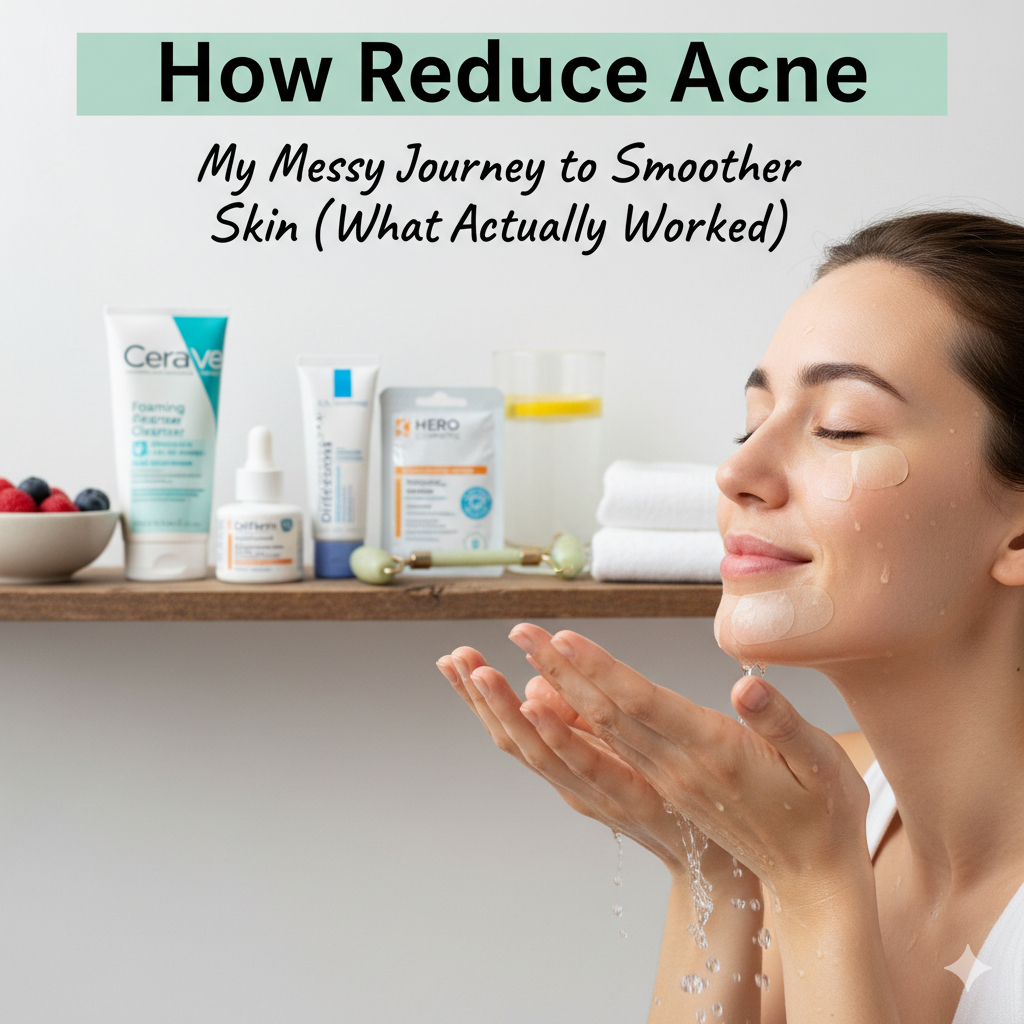
I wasted money on junk before finding these gems. Searched Amazon for best acne spot treatment, read reviews like they were novels. These five worked for my oily-combo skin, but they’re versatile. I’ll share features, pros, cons, and ratings (as of late 2025). Prices vary, but they’re wallet-friendly. Here’s the lineup.
1. Differin Adapalene Gel 0.1% Acne Treatment
This retinoid gel was my slow-but-steady hero. A pea-sized dot at night unclogs pores deep, stopping pimples before they start.
Features: Prescription-strength, no doctor needed; fights blackheads, whiteheads, cysts; fragrance-free, non-greasy.
Pros: Clears skin in 2-3 months (less oil for me in two weeks); smooths texture for that “glass skin” look; one tube lasts six months.
Cons: Purging phase—first month, breakouts worsen as junk surfaces (tough but worth it); dries skin, so moisturize or it flakes.
Amazon Review Rating: 4.5/5 stars (42,000+ reviews). “Transformed my adult acne,” fans say; some hate the wait.
During a stressful work month, this tamed my chin cysts. Patience is key for cystic acne.
2. La Roche-Posay Effaclar Duo+M Multi-Target Acne Treatment
French pharmacy vibes in a tube. I use it morning and night for spots and scars.
Features: Benzoyl peroxide and salicylic acid; reduces blemishes, fades scars; matte finish, no white cast.
Pros: Fast—redness drops in days; lightweight, great under makeup; controls shine for combo skin.
Cons: Tingles on sensitive days (I skip if raw); pricier for small size; some say it’s discontinued, so grab it.
Amazon Review Rating: 4.4/5 stars (thousands of reviews). “Faded scars like magic,” but a few call it drying.
Post-beach chaos? This fixed it quick. Ideal for acne scar treatment.
3. CeraVe Acne Foaming Cream Cleanser with 4% Benzoyl Peroxide
My daily go-to—foams nice, rinses clean, gentle for sleepy mornings.
Features: High OTC benzoyl peroxide; ceramides and niacinamide protect barrier; targets pimples, blackheads.
Pros: Affordable, big bottle lasts; doesn’t over-dry; calms inflammation, evens tone.
Cons: Slight dryness at first (I added hyaluronic serum); new formula less strong for oily skin; faint med smell.
Amazon Review Rating: 4.6/5 stars (tens of thousands). “Saved my routine,” most say; some find it “too mild.”
Swapped from harsh soaps—my skin felt balanced, not tight. Must for benzoyl peroxide acne treatment.
4. Hero Cosmetics Mighty Patch Original Pimple Patches
These stickers are overnight miracles. Pop one on, sleep, wake up with less drama.
Features: Hydrocolloid absorbs gunk; invisible, breathable; works in 6-8 hours on surface pimples.
Pros: Painless—no squeezing; sticks through tossing; 36-pack for emergencies.
Cons: Best for whiteheads, not cysts; oily skin may loosen them; single-use.
Amazon Review Rating: 4.6/5 stars (#1 seller, 100,000+ reviews). “Zaps zits while I sleep,” but some say “didn’t stick.”
That birthday chin zit? Patched and partied clear. Top for pimple patches.
5. Paula’s Choice Skin Perfecting 2% BHA Liquid Exfoliant
Liquid toner that exfoliates without scrubbing. I pat it on after cleansing.
Features: Salicylic acid clears pores; green tea soothes; fights blackheads, fine lines.
Pros: Shrinks pores (mine looked smaller in two weeks); multi-tasker for acne and aging; lasts months.
Cons: Stings on broken skin (use every other day); watery, so drips; needs moisturizer for dry skin.
Amazon Review Rating: 4.5/5 stars (huge reviews). “Pore game changed,” but some say “irritated first.”
Cleared my forehead blackheads like a vacuum. Love for salicylic acid for acne.
These aren’t paid plugs—just what clicked. Pick one or two based on your skin. I rotate: Cleanser daily, patch for flares, BHA weekly.
How to reduce acne redness on face quickly
Redness from acne can be one of the most frustrating aspects of breakouts. Many people search for how to reduce acne redness or how to reduce redness of acne, and the answer usually involves calming inflammation while preventing further irritation.
The first step is to keep your skincare routine gentle. Use a mild, non-comedogenic cleanser and avoid scrubbing your skin, which can worsen redness. Ingredients like aloe vera, niacinamide, green tea extract, and chamomile are excellent for soothing irritated skin and reducing inflammation.
Cold compresses can provide quick relief, making them a useful solution for those looking for how to reduce redness on face quickly from acne.
If you are also dealing with acne scars, you may want to know how to reduce acne redness and scars at the same time. Using products with vitamin C, hyaluronic acid, or gentle retinoids can help fade scars while calming redness.
For those looking for natural options, there are ways to reduce acne scars naturally, such as applying aloe vera, honey, or green tea-infused treatments. Sun protection is equally important because UV exposure can make redness and scarring worse, slowing the healing process.
Hormonal breakouts are another common cause of persistent redness. Learning how to reduce hormonal acne through diet, lifestyle changes, and targeted skincare can minimize flare-ups and reduce redness over time. In addition, managing stress, sleeping well, and avoiding triggers like harsh chemicals or irritating cosmetics can support skin recovery.
FAQ
Q1: How can I reduce acne redness quickly?
A: For fast relief, try cold compresses, calming gels with aloe vera or niacinamide, and avoid touching or picking at pimples.
Q2: Can acne redness turn into scars?
A: Yes, prolonged inflammation can increase the risk of scarring. Treating redness early and gently can help prevent permanent marks.
Q3: Are there natural ways to reduce acne scars and redness?
A: Absolutely. Ingredients like aloe vera, honey, green tea extract, and rosehip oil can soothe inflammation and improve skin texture over time.
Q4: How do I reduce redness caused by hormonal acne?
A: Managing hormones through lifestyle, diet, and targeted skincare (like products with salicylic acid or benzoyl peroxide) can reduce breakouts and redness.
How to Reduce Acne Scars Naturally
Acne scars form when the skin is damaged during breakouts, but natural care can help fade them over time. Start by keeping your skin clean and well-moisturized, as healthy, hydrated skin heals more effectively. Gentle cleansing twice a day removes impurities without causing irritation, while a non-comedogenic moisturizer supports skin repair and smooth texture.
Natural ingredients can gradually improve the appearance of acne scars. Aloe vera helps soothe the skin and supports natural healing, while rosehip oil and vitamin E are known to improve skin texture and reduce the look of marks. Applying green tea extract or using a green tea toner can help reduce inflammation and promote even skin tone.
Light exfoliation with natural options like oatmeal or yogurt (1–2 times a week) helps remove dead skin cells and encourages new skin growth.
Sun protection is essential when fading acne scars naturally. Exposure to sunlight can darken scars and slow the healing process, so using a gentle, non-greasy sunscreen daily helps prevent scars from becoming more noticeable. Avoid picking at acne or scabs, as this can deepen scars.
With consistent care, patience, and natural remedies, acne scars can gradually fade and your skin can regain a smoother, clearer appearance.
My Routine: Trial, Error, and Finally Success
Routines sound dull, but mine’s a cozy ritual now. Morning: CeraVe cleanse, BHA toner, moisturizer, sunscreen (UV worsens scars).15 Night: Double cleanse if makeup, Differin or Duo, aloe to finish. Twice a week, honey mask. Early on, I piled on actives—big mistake, left me red as a lobster. Now, I layer slow and listen to my skin.
Last month, I traveled to humid Thailand and broke out bad. Stuck to basics—cleanser, patches, ice—and held it together. Back home, reset diet. Fewer flares now. For best skincare routine for acne: Cleanse, treat, hydrate, protect. Short steps: Wash. Dab. Moisturize. Repeat.
Stress hacks helped too. Yoga apps, evening walks—less cortisol, fewer breakouts. Breathing deep sometimes beats creams.
When to Call the Pros (And Why I Finally Did)
Home tricks are great, but if acne scars or cysts won’t quit, see a dermatologist. I waited too long—now I laser faint marks. New 2025 treatments like adapalene-benzoyl peroxide combos work wonders for tough cases.12 Pros spot triggers I missed, like food allergies. Don’t struggle alone.
You’ve Got This, Zits or Not
From hiding at my birthday to snapping clear-skin selfies, how to reduce acne taught me patience and self-love. Bad days still hit—like after spicy tacos last week. But with gentle washes, smart eats, kitchen hacks, and solid products, my skin’s tougher. You’re not your pimples—you’re the one fighting them, quirks and all.
Try one thing today: Ice a spot, sip green tea. Share your story below—maybe your trick helps someone. Skin journeys connect us. Here’s to fewer mirror meltdowns and more days feeling like you. Your face deserves it.
Leave a Reply