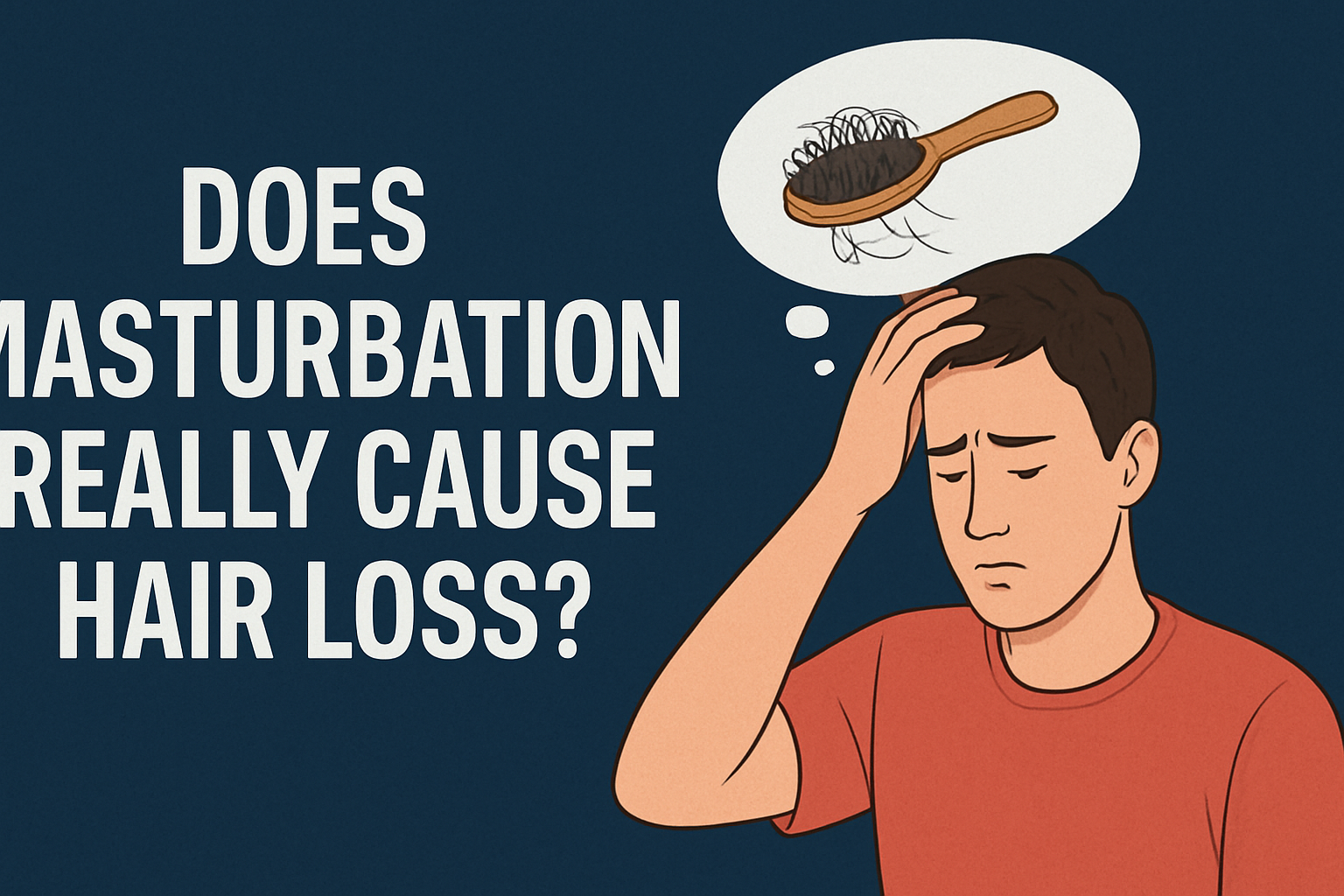
Does Masturbation Cause Hair Loss or Is It Just a Myth?
Worried that your solo time might be causing your hair to thin out? You’re not alone. Many people—especially men—wonder if masturbation can lead to hair loss. It’s one of the most common myths floating around the internet. But is there any truth to it?
Let’s break down the science, clear up the confusion, and find out what really causes hair loss—and whether your private habits have anything to do with it.
Where Did the Masturbation and Hair Loss Myth Come From?
This idea isn’t new. In fact, myths connecting masturbation to physical harm go way back. People once believed it could cause blindness, weakness, or even madness. Thankfully, science has moved on—but some of those outdated beliefs still linger, such as the one about hair loss.
The main theory behind this hair loss myth is that masturbation leads to a drop in protein levels or an increase in testosterone, which some people believe might trigger hair thinning or baldness. But is there any real science to back this up?
What Actually Causes Hair Loss?
Before we talk about what doesn’t cause hair loss, let’s take a closer look at what does lead to thinning hair or bald spots. Hair loss can be influenced by several factors, including:
- Genetics (hereditary hair loss or male pattern baldness)
- Hormonal changes (such as during pregnancy or menopause)
- High stress levels
- Poor nutrition or extreme dieting
- Medical conditions (like thyroid issues or scalp infections)
- Medications (some prescriptions list hair loss as a side effect)
So, if you’re noticing hair falling out, these are the areas you’ll want to check first—not what you’re doing in the privacy of your own space.
Does Masturbation Affect Hormones or Hair Health?
This is where things get interesting. Masturbation does cause temporary hormonal changes. For example, after orgasm, your body releases prolactin, dopamine, and oxytocin—what many call “feel-good chemicals.” None of these are linked to hair loss.
Some people worry about testosterone levels. Testosterone gets converted into dihydrotestosterone (DHT), which is connected to hair loss in genetically predisposed people. But here’s the thing: masturbation doesn’t permanently increase or decrease your testosterone or DHT levels.
In fact, a 2001 study found that abstaining from ejaculation for three weeks increased testosterone slightly. Yet other research shows very minimal, short-term hormone fluctuations, not enough to impact hair health.
The verdict? Normal masturbation habits won’t trigger the hormonal changes that lead to hair loss. So, no—there’s no proof that “doing it too often” will make you go bald.
What About Nutrient Loss During Ejaculation?
Another common worry is that semen contains high levels of protein and other nutrients, and when you ejaculate, you’re losing those essential building blocks. The assumption is that this nutrient loss might weaken hair quality or growth.
It’s true that semen contains small amounts of:
- Protein
- Zinc
- Magnesium
- Selenium
But the amounts are tiny. It’s nowhere near enough to impact your nutritional levels or your hair health—especially if you’re eating a balanced diet. You’d have to be masturbating an unrealistically high number of times a day for it to have any noticeable nutritional effect.
So, if you’re getting enough nutrients from your food, there’s no need to worry that your bathroom breaks are draining your body’s hair-building resources.
Let’s Talk About Stress and Guilt
Here’s a twist you might not have considered: it’s not masturbation itself, but the stress and guilt some people feel about it that could potentially contribute to hair loss.
Chronic stress is a well-known cause of hair thinning. It can push hair follicles into a “resting” state, which leads to more shedding than usual. If you’re feeling anxious or ashamed about your personal habits, that emotional stress could affect your hair over time—not because of what you’re doing, but because of how you’re feeling about it.
So instead of worrying about the act itself, it might be worth addressing any negative feelings attached to it. Masturbation is a normal, healthy activity—something nearly everyone does at some point. Letting go of the guilt might be better for your hair (and your mental health) than trying to quit cold turkey.
Masturbation and Hair Loss: Busting the Myths
Let’s sum it up:
- There’s no scientific evidence linking masturbation to hair loss.
- Masturbation doesn’t significantly impact testosterone or DHT levels.
- Protein and nutrient loss through ejaculation is minimal and harmless.
- Emotional stress or guilt tied to masturbation could be more harmful than the act itself.
If you’re experiencing hair loss, it’s much more likely due to genes, lifestyle, or health issues—not your sexual habits.
What Should You Do If You’re Losing Hair?
If you’re noticing more hairs in the shower drain or on your pillow every morning, it’s a good idea to explore your options. Here’s a quick checklist of what you can do:
- See a doctor or dermatologist to rule out medical causes
- Get a blood test to check your hormone and nutrient levels
- Eat a balanced diet rich in protein, iron, and vitamin D
- Try stress reduction techniques like meditation or exercise
- Consider FDA-approved treatments for hair loss such as minoxidil or finasteride
And most importantly—don’t panic. Hair loss is more common than you think, and many cases are treatable or even reversible.
Final Thoughts
So, does masturbation cause hair loss? The simple answer is no. There’s no solid scientific link between masturbating and losing your hair. This old myth has stuck around for years, but modern research just doesn’t back it up.
Instead of worrying about masturbation, focus on healthy habits that truly support your hair—like a good diet, stress management, and proper hair care. And if you’re still concerned, speak with a healthcare provider to get to the root of the issue (pun intended).
In the end, a little self-love—and self-awareness—goes a long way.
Leave a Reply