
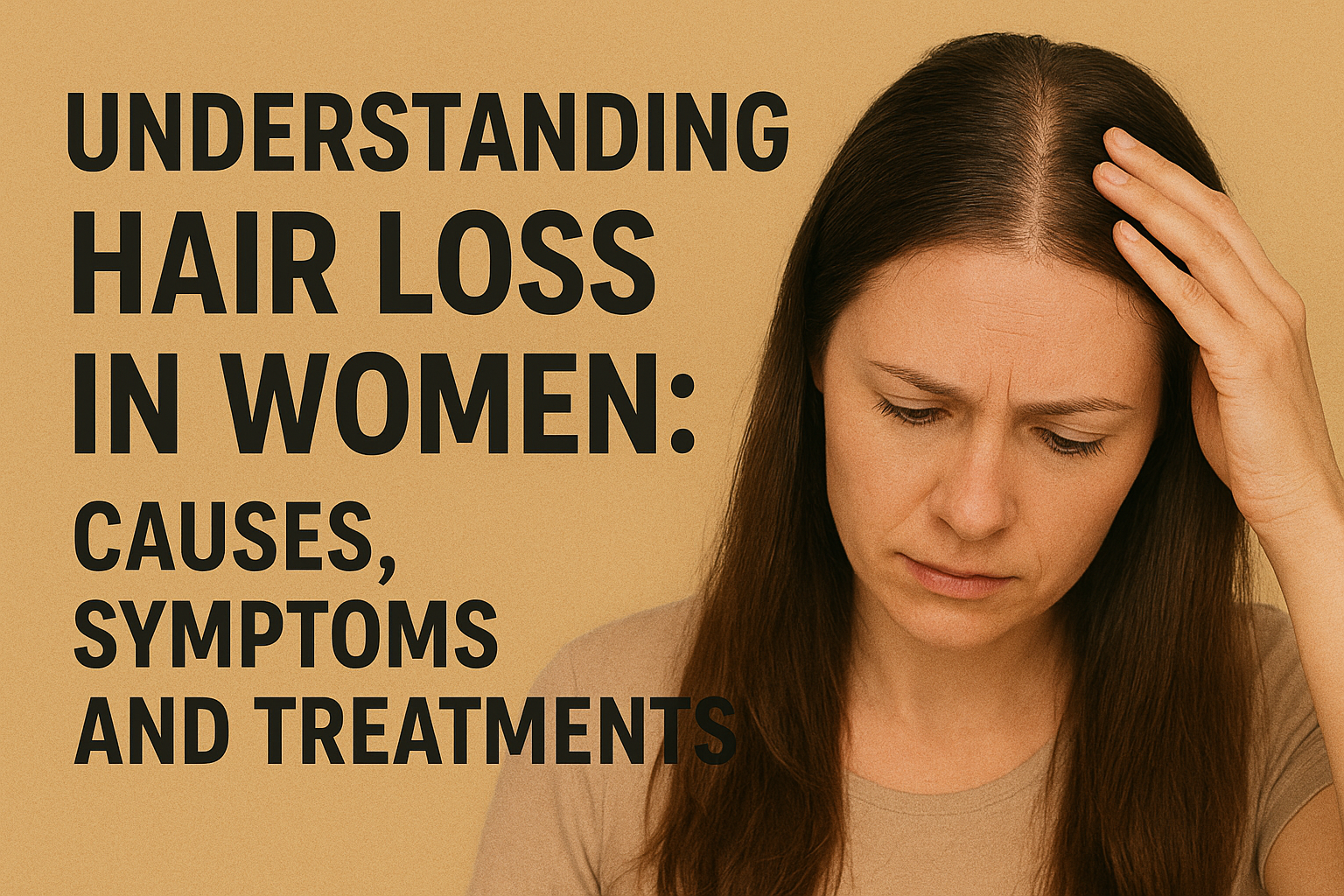
For many women, hair is more than just something on our heads—it’s a part of our identity. So, when you start to notice more strands in your brush, a widening part, or thinning around the crown, it can be unsettling. If you’re facing hair loss, you’re definitely not alone—and there’s a lot you can do about it.
In this post, we’ll break down what causes hair loss in women, the signs to look out for, and the most effective treatment options available. Let’s make this complicated topic a little simpler and easier to manage—just like your hair should be.
Is Hair Loss in Women Normal?
It might surprise you to learn that some hair loss is completely normal. In fact, women naturally lose between 50 to 100 hairs a day. It’s part of the hair’s natural growth cycle. But if you suddenly notice a clump in your shower drain or a growing bald spot, it might be something more serious.
Millions of women deal with noticeable hair loss at some point in their lives—especially after events like pregnancy, menopause, or during times of high stress. The good news is, hair loss is often treatable once you identify the cause.
What Does Hair Loss in Women Look Like?
Hair loss shows up in different ways for different women. Here are a few signs to watch for:
- Thinning hair: Especially on the top of the head or around your part.
- Widening hairline: You may notice your part getting wider over time.
- Noticeable shedding: Finding more hair on your pillow, in the shower, or stuck in your brush.
- Bald patches: Circular or irregular bald spots can appear, especially with certain conditions.
Everyone’s hair story is different—but if something looks or feels off, it’s worth talking to a professional.
Main Causes of Hair Loss in Women
There are several reasons women experience hair thinning or loss. Some are temporary and others may need long-term care. Let’s break them down.
1. Hormonal Changes
Hormones control so much more than we think. From puberty to menopause, and especially after pregnancy, hormonal shifts can interrupt the hair growth cycle.
Conditions like polycystic ovary syndrome (PCOS) and thyroid imbalances can also lead to significant hair loss.
2. Genetics (Female Pattern Baldness)
If women in your family have dealt with thin hair or balding as they aged, there’s a chance you might experience it too. This is known as female pattern hair loss (or androgenic alopecia), and it’s the most common type of hair loss in women.
Unlike men, who often lose hair in patches or at the temples, women tend to see general thinning—especially on top of the head.
3. Stress and Lifestyle Factors
Ever had a rough couple of months and noticed your hair paid the price? You’re not imagining it. Emotional and physical stress—from surgery, illness, or major life changes—can shock your system and cause hair to fall out more than usual.
Poor diet, crashing weight loss, or even excessive hair styling can also contribute to weakening your strands.
4. Medical Conditions and Medications
Autoimmune diseases like alopecia areata can cause your body to attack hair follicles, creating round bald spots. Certain medications—like chemotherapy drugs, antidepressants, and blood pressure treatments—can also trigger hair loss.
Hormonal treatments or birth control changes can sometimes be culprits too. Always talk to your doctor if you think a medication is affecting your hair.
5. Nutritional Deficiencies
Just like your body needs proper fuel, so does your hair. Deficiencies in iron, zinc, biotin, protein, and vitamin D can all lead to hair loss. Think of it like this: your hair is one of the last things your body supports when nutrients are low.
Types of Hair Loss in Women
Understanding the type of hair loss can help guide decisions about how to treat it. The most common ones include:
- Androgenic alopecia: Gradual thinning, typically on the top of the head. It’s genetic and long-term.
- Alopecia areata: Sudden, round bald patches caused by the immune system attacking hair follicles.
- Telogen effluvium: Temporary shedding triggered by stress, illness, or hormone shifts.
- Traction alopecia: Hair loss from tight hairstyles (like braids or ponytails) that put stress on follicles.
Treatment Options for Hair Loss in Women
Here’s the silver lining: most types of hair loss can be treated or improved! The key is addressing the root cause first.
1. Over-the-Counter Treatments
The most commonly recommended treatment is Minoxidil (Rogaine). It’s available without a prescription and helps stimulate new hair growth. It works best if you start it early on.
2. Prescription Medications
If hormones are to blame, your doctor may suggest medications like oral contraceptives or anti-androgens such as spironolactone. These help rebalance hormone levels and reduce hair loss.
3. Nutritional Supplements
Sometimes, your hair just needs a little extra help. Iron, biotin, vitamin D, and zinc supplements can make a noticeable difference if you’re lacking in any of these.
Just make sure to check with a healthcare provider before starting new supplements—they can test your levels with a simple blood test.
4. Lifestyle Changes
Reducing stress, eating balanced meals, and being gentle on your hair can go a long way. Think of it as self-care for your scalp.
5. Advanced Procedures
In some cases, dermatologists may suggest PRP (Platelet-Rich Plasma) therapy, where your own blood is used to boost growth. There are also laser devices and, in more extreme cases, surgical hair transplants.
These options are more expensive but can be incredibly effective when other treatments don’t work.
When Should You See a Doctor?
Hair loss can feel overwhelming, but you don’t have to figure it out alone. If your hair shedding is:
- Sudden or severe,
- Happening alongside other concerning symptoms like fatigue or irregular periods,
- Or affecting your confidence and daily life—
It’s time to talk to a professional. A dermatologist or healthcare provider can help pinpoint the exact cause and create a treatment plan that works for you.
Final Thoughts: You Have Options
Hair loss doesn’t mean you’re stuck with thinning hair forever. Whatever the cause—hormonal, stress-related, or genetic—there’s often something you can do to slow it down or even reverse it.
Start with small steps:
- Evaluate your diet and stress levels.
- Switch to gentle hair care products.
- Talk to your doctor or dermatologist sooner rather than later.
Think of your hair like a garden—it needs nourishment, care, and a little patience to thrive. Growth takes time, but with the right approach, you can feel confident in your hair (and in yourself) again.
Looking for Support?
You’re not alone on this journey. There are online communities, support groups, and specialists ready to help. If you’ve dealt with hair loss and come out stronger, share your story—you never know who you’ll inspire.
Your hair story is uniquely yours—and it’s still being written.
Leave a Reply