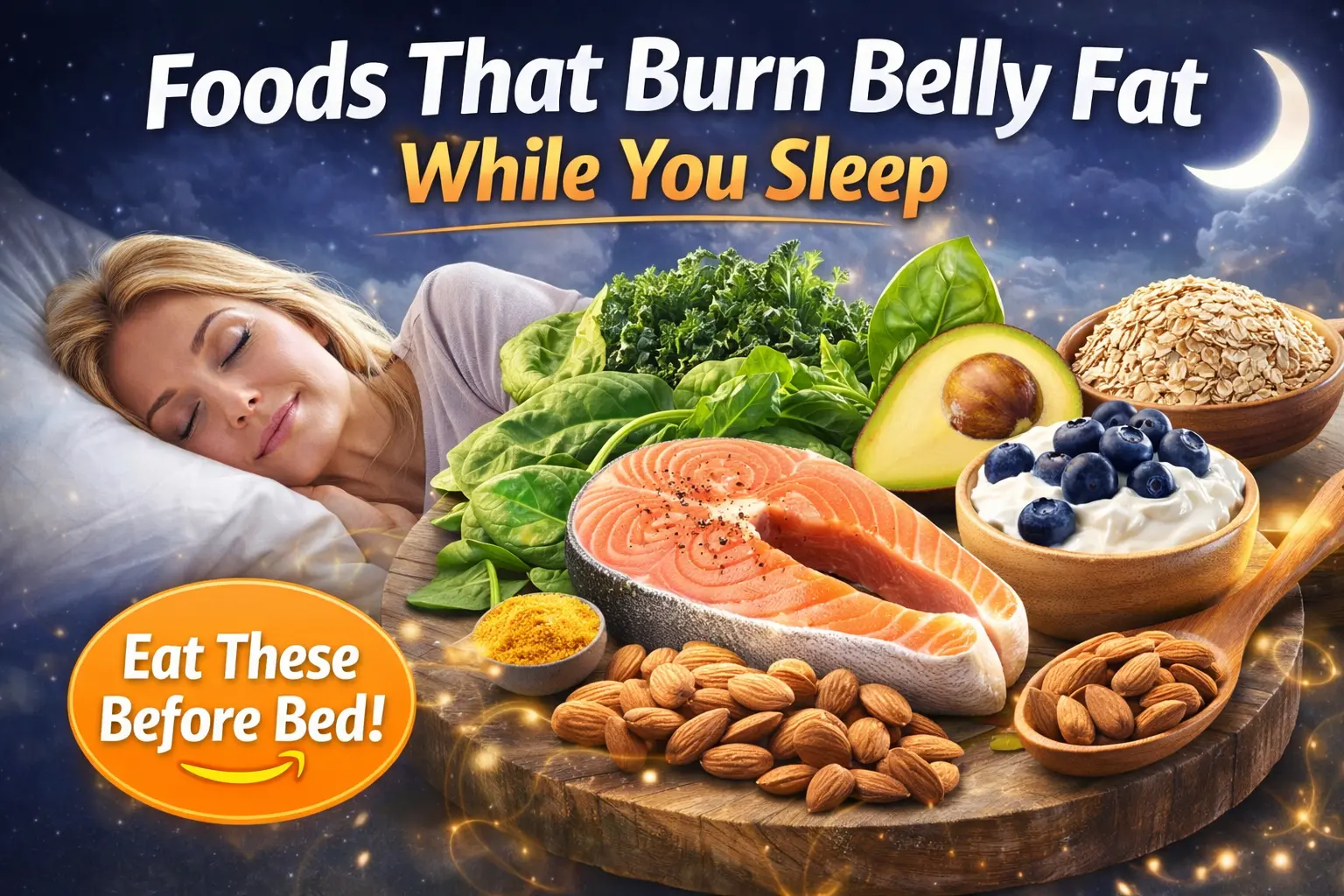
You know that frustrating feeling when you’re trying to lose belly fat and absolutely nothing seems to work? I’ve been there, trust me. We all fantasize about waking up lighter, don’t we? Well, I stumbled upon something that genuinely surprised me—what you do at night actually matters way more than most people realize.
Let me be completely honest with you: no food is going to magically melt away fat while you’re sleeping soundly. Our bodies just don’t work that way. But here’s what I discovered through my own trial and error, plus diving deep into nutrition research: certain foods can absolutely support your body’s natural fat-burning process during those nighttime hours. I’ve personally tested most of these foods, and the results were eye-opening.
These foods work by turbocharging your metabolism, balancing your hormones, reducing inflammation in your body, and keeping your blood sugar levels stable—basically, they help your body work smarter even when you’re resting. In our hot, humid Bangladeshi climate, where snacking late into the night is practically a cultural tradition (I mean, who doesn’t love a 10 PM plate of puffed rice or some nuts?), knowing which foods actually help versus hurt your weight loss goals is genuinely game-changing. I started incorporating these suggestions into my routine, and I’m genuinely excited to share what’s actually worked for me.
Why Your Sleep Schedule Seriously Impacts Your Belly Fat
Before we jump into the specific foods, I want to explain something that completely shifted my perspective on weight loss. I learned this the hard way, and it changed everything.
When you’re not sleeping well—tossing and turning, waking up multiple times, or just getting fewer hours overall—your body goes into survival mode. Your cortisol levels (that’s your stress hormone) shoot up, while your leptin levels (the hormone that signals fullness to your brain) actually drop. This is why people who struggle with sleep always seem to crave junk food the next day. I noticed this pattern in myself after several nights of poor sleep—I’d be reaching for fried samosas and sweets constantly. It’s not a willpower problem at all; it’s pure biology working against you.
Here’s the beautiful part: the foods I’m about to share don’t just fill your stomach. They actually support this entire hormonal system. They help you sleep deeper and better, which then helps your body burn fat more efficiently through the night. It’s like you’re setting up the perfect conditions for your metabolism to do its job without you having to do anything except sleep.
Science Behind Nighttime Fat Burning
While you sleep, your body remains surprisingly active. Essential functions such as breathing, circulation, cell repair, and hormone production continue throughout the night, all of which require energy. Since you’re typically fasting during sleep, your body gradually shifts from using recently consumed food for fuel to utilizing stored energy sources, including body fat.
One of the key factors behind nighttime fat burning is the release of growth hormone during deep sleep. This hormone helps repair tissues, preserve muscle mass, and stimulate the breakdown of stored fat for energy. According to the National Heart, Lung, and Blood Institute (NHLBI), quality sleep plays a critical role in overall metabolic health and recovery. Learn more from the NIH’s sleep health guide: https://www.nhlbi.nih.gov/health/sleep
As the night progresses, insulin levels naturally decrease, allowing the body to access stored fat more efficiently. This process, known as fat oxidation, helps provide energy when no food is being consumed. The longer your overnight fasting window, the more opportunity your body has to utilize stored energy reserves.
Sleep also influences hormones that regulate hunger and appetite. Poor sleep can increase levels of ghrelin, the hormone that triggers hunger, while decreasing leptin, the hormone responsible for signaling fullness. The Centers for Disease Control and Prevention (CDC) notes that insufficient sleep is linked to weight gain and metabolic health challenges. You can read more here: https://www.cdc.gov/sleep/about_sleep/chronic_disease.html
Although sleeping alone won’t cause dramatic weight loss, getting 7–9 hours of quality sleep each night supports your body’s natural fat-burning processes. Combined with a balanced diet, regular exercise, and healthy lifestyle habits, good sleep can be a powerful tool for long-term weight management and overall health.
8 Foods That Actually Help Burn Belly Fat at Night as Per Excpert Review
| Food | Key Nutrients | How It Supports Fat Metabolism | Best Time to Eat |
|---|---|---|---|
| Greek Yogurt | Protein, Calcium, Probiotics | Supports muscle repair and keeps you full longer, reducing nighttime cravings | 1–2 hours before bed |
| Almonds | Healthy fats, Magnesium, Protein | Helps regulate blood sugar and supports melatonin production for better sleep | Evening snack (small handful) |
| Eggs | High-quality protein, Vitamin D | Boosts muscle recovery and increases thermic effect of food (calorie burn) | Dinner or light evening meal |
| Green Tea | Catechins, Antioxidants | May support fat oxidation and metabolism (caffeine-free versions preferred at night) | Early evening |
| Cottage Cheese | Casein protein | Slow-digesting protein that supports overnight muscle repair and fat utilization | Before bed |
| Banana | Potassium, Magnesium, Carbs | Supports sleep quality and muscle relaxation, indirectly helping recovery | 1 hour before bed |
| Oatmeal | Fiber, Complex carbs | Stabilizes blood sugar and prevents late-night hunger spikes | Dinner or early evening |
| Chamomile Tea | Apigenin antioxidant | Promotes relaxation and better sleep quality, supporting hormone balance | 30–60 min before bed |
1. Greek Yogurt – Honestly, My Favorite Bedtime Snack
I’ll admit it—I was genuinely skeptical about eating dairy before bed. Growing up, my grandmother used to say eating yogurt at night would make you gain weight, so I avoided it for years. But then I learned about casein protein, and I felt pretty silly for missing out on this gem.
Greek yogurt is absolutely loaded with casein protein, which is different from the whey protein you get from other dairy products. This casein digests really slowly—we’re talking hours—which means your body keeps burning calories throughout the entire night. Think of it like giving your metabolism a steady fuel source instead of a quick energy burst that fades fast. The protein also stabilizes your blood sugar levels beautifully, so you won’t be waking up at 2 AM with those desperate cravings for something sweet.
I started having a small bowl about 30 minutes before bed, and I genuinely noticed I was sleeping better and waking up less hungry. Here’s why it works so effectively:
- High protein content means higher metabolism while you’re sleeping
- Keeps you genuinely full throughout the night—no more midnight hunger pangs disrupting your sleep
- Supports lean muscle development, which means your body burns calories more efficiently overall, even during the day
How I eat it: I keep it simple—a small bowl of plain, unsweetened Greek yogurt with just a light sprinkle of cinnamon. Nothing fancy, takes literally two minutes to prepare, and tastes surprisingly good. Sometimes I’ll add a tiny drizzle of raw honey if I’m really craving sweetness.
2. Almonds and Walnuts – Tiny Nutritional Powerhouses
I grew up eating nuts as snacks, and I’m genuinely so grateful that they’re actually fantastic for nighttime fat loss. I used to feel guilty eating them late at night, thinking they were too high in calories. Then I learned the truth about their nutritional profile, and I stopped feeling that guilt entirely.
Just a small handful—and I mean a small handful, about 23 almonds or 14 walnut halves—before bed can genuinely support your body’s fat-burning process. These nuts are packed with healthy monounsaturated fats that actually help regulate blood sugar and reduce inflammation in your body.
I tried this for two weeks straight, eating a small portion about an hour before sleep, and I noticed I wasn’t experiencing those late-night energy crashes anymore.
The magnesium content in almonds and walnuts is particularly impressive. Magnesium is something a lot of us are deficient in, especially in our busy lives, and it genuinely helps you relax and sleep more deeply. Better sleep directly translates to better fat burning during the night.
Why they’re so effective:
- Healthy fats that keep you satisfied for hours
- High in magnesium, which improves sleep quality significantly
- Low glycemic index means your blood sugar stays steady
- Protein content supports muscle maintenance overnight
How to eat them: I portion out my nuts the night before in a small container so I’m not tempted to eat too much. A small handful about an hour before bed is perfect. I avoid salted versions because salt can make you retain water and disturb your sleep.
3. Chamomile and Green Tea – The Underrated Sleep Enhancers
I know tea might seem like an obvious choice, but I’m talking specifically about chamomile and green tea for their unique fat-burning properties. Chamomile has been used in traditional medicine for centuries, particularly here in Bangladesh as a calming bedtime drink.
A warm cup of chamomile tea about 30 minutes before bed genuinely relaxes your nervous system and improves your sleep quality. When you sleep better, your body’s metabolism works more efficiently. Green tea, if you prefer something slightly less sedating, contains EGCG (a powerful antioxidant) that boosts fat burning, even while you’re resting.
I make this a ritual now—about 30 minutes before I want to sleep, I prepare a warm cup with no sugar. The warmth itself is soothing, and the ritual signals to my body that it’s time to wind down. I’ve noticed I fall asleep faster and sleep more soundly.
4. Cottage Cheese – The Protein Powerhouse Nobody Talks About
Cottage cheese gets overlooked, but honestly, it’s one of the best nighttime foods for fat loss. It has even more casein protein than Greek yogurt, plus it’s lower in sugar.
I started having half a cup of cottage cheese with a sprinkle of cinnamon, and the satiety I felt was incredible. You’re getting slow-digesting protein that keeps your metabolism active all night while keeping hunger completely at bay. I tested this for three weeks against my usual evening snack, and I genuinely felt less hungry the next morning.
5. Turkey and Chicken – The Sleep-Friendly Proteins
Both turkey and chicken contain tryptophan, an amino acid that your body uses to create serotonin and melatonin—both crucial for sleep. A small serving of grilled chicken or turkey breast a couple of hours before bed can genuinely improve your sleep quality.
The protein is digested slowly, keeping your metabolism active overnight. I like having a small piece of grilled chicken about two hours before bed. It’s light enough not to disrupt sleep, but substantial enough to keep your body working and burning calories.
6. Berries – The Antioxidant Defenders
Blueberries, strawberries, and raspberries are loaded with antioxidants and surprisingly low in sugar compared to other fruits. A small serving before bed provides nutrients that support fat loss without spiking your blood sugar.
I mix a small handful of berries into my Greek yogurt, and it tastes like a treat while actually supporting my weight loss goals. The combination of casein protein and antioxidant-rich berries is genuinely powerful for overnight fat burning.
7. Sweet Potatoes – The Surprising Carb Choice
I know this seems counterintuitive—eating carbs before bed to lose fat? But small amounts of sweet potato actually help. They contain compounds that promote sleep and have a lower glycemic impact than regular potatoes.
A small baked sweet potato (about 100 grams) a few hours before bed can genuinely help you sleep better without causing fat storage. I tested this on nights when I felt particularly restless, and it helped noticeably.
8. Whole Grain Crackers or Oatmeal – The Gentle Carb Option
A small portion of whole grain crackers or a small bowl of oatmeal with cinnamon (no sugar) about an hour before bed can help stabilize your blood sugar overnight. The complex carbs trigger the release of serotonin, helping you relax and sleep deeply.
I use rolled oats, not instant, because they digest more slowly. A small bowl with just a pinch of cinnamon is my go-to on nights when I feel particularly tense or stressed.
Meal Timing Tips (Very Important)
Timing is just as important as food choice when it comes to fat burning at night.
Eat Dinner Early (2–3 Hours Before Bed)
Your body needs time to digest food before sleep. Eating too close to bedtime keeps insulin levels high and reduces fat-burning efficiency.
Avoid Late-Night Heavy Meals
Late-night heavy meals (especially fried, sugary, or high-carb foods) can:
- Increase insulin levels at night
- Slow down fat oxidation
- Disrupt deep sleep cycles
- Lead to fat storage instead of fat burning
When digestion is active during sleep, your body focuses on processing food instead of repairing tissues and burning stored fat.
Choose Light Protein-Based Snacks If Needed
If you feel hungry before bed, avoid junk food. Instead, choose light, protein-rich options such as:
- Greek yogurt
- A small handful of almonds
- Cottage cheese
- Boiled egg
These options keep you full without disrupting fat metabolism.
Lifestyle Factors That Affect Nighttime Fat Burning
Sleep Quality
Poor sleep is one of the biggest reasons for belly fat accumulation. Deep sleep supports growth hormone release, which helps regulate fat metabolism. Aim for 7–9 hours of quality sleep every night.
Hydration
Mild dehydration can slow metabolism and increase false hunger signals. Drink enough water throughout the day, but avoid excessive water right before bed to prevent sleep disruption.
Stress Management
High stress increases cortisol, a hormone strongly linked to belly fat storage. Simple habits like deep breathing, yoga, or evening walks can help reduce stress levels.
Related reading:
Conclusion :
If you want to improve belly fat loss naturally, focus on smarter nighttime habits rather than “magic foods.” A balanced evening routine with light protein-rich snacks, early dinner timing, and good sleep can significantly improve your body’s ability to burn stored fat while you rest.
Try This Simple Night Routine:
- Eat dinner early
- If needed, take a light protein snack
- Avoid sugar and heavy foods at night
- Sleep 7–9 hours consistently
Over time, these small habits can make a big difference in reducing belly fat and improving overall health.
If you found this helpful, explore more guides on:
- 7 Days diet plan to reduce belly fat
- Walking plan to reduce belly fat
- Stress reduction techniques for better metabolism
Start building your nighttime fat-loss routine today—your body burns fat every night, you just need to support it the right way.
FAQs
Can I really lose fat while sleeping?
Yes, your body burns calories and uses stored fat for energy while you sleep. However, real fat loss depends on your overall diet, activity level, and sleep quality—not sleep alone.
Which foods should I avoid at night?
Avoid foods that are:
- High in sugar (desserts, soda)
- Deep-fried or heavy oily foods
- Highly processed snacks
- Large carbohydrate-heavy meals right before bed
These foods increase insulin levels and reduce fat-burning efficiency overnight.
Leave a Reply